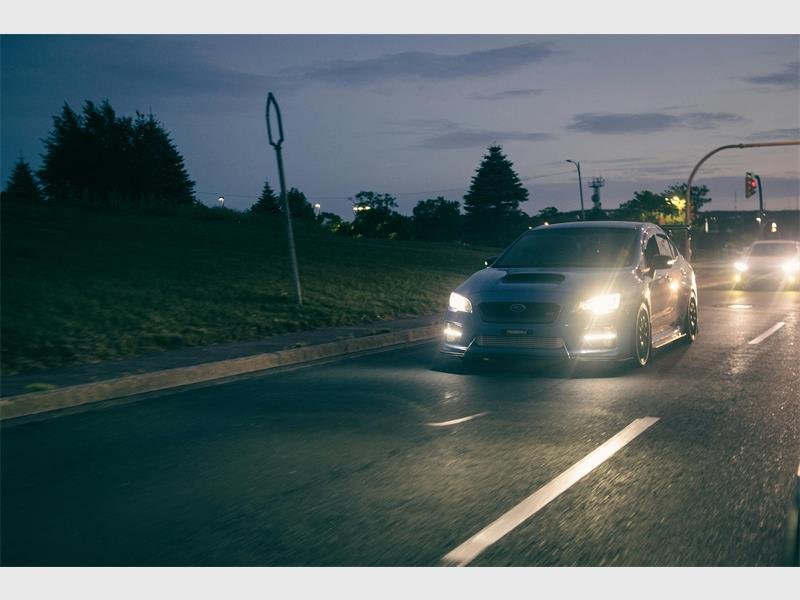
It may only be late April, but the shift in seasons is already being felt. Mornings are darker, evenings are closing in sooner, and there’s a definite chill in the air: all clear signs that winter is on its way.
With reduced daylight hours and visibility becoming more challenging, ensuring your vehicle’s lights are in full working order is not just important, it’s essential.
“Visibility is one of the most critical factors in road safety,” says Dewald Ranft, chairperson of the Motor Industry Workshop Association (MIWA), a proud association of the Retail Motor Industry Organisation (RMI).
“Many accidents could be avoided if motorists simply ensured their vehicle lights were functioning properly and used correctly.”
Winter driving conditions often mean travelling in low light, whether early in the morning or later in the evening. Add to that the ongoing challenge of faulty or non-operational street lighting in some areas, and the risks increase significantly.
Recent heavy rainfall in many parts of the country has further compounded the situation, with a rise in potholes making already difficult driving conditions even more hazardous. The good news is that checking your vehicle lights is quick, simple, and inexpensive.
“Lights are not just about seeing the road ahead, they are about being seen by other road users,” says Ranft.
ALSO READ: Onbekende vrou betaal Brenthurst pensionaris se inkopies
“A regular check should form part of every motorist’s routine vehicle maintenance.”
Ranft recommends asking someone to assist with a quick inspection:Start at the front of the vehicle and check your headlights, switching between brights and dims.
Then test your indicators, ensuring all signal lights, including those on side mirrors or panels, are working correctly.
Move to the rear of the vehicle. Check your tail lights, brake lights (by pressing the brake pedal), and indicators. Don’t forget to test your reverse lights by engaging reverse gear, and ensure your number plate light is functioning.
“If you notice any issues, visit an accredited MIWA workshop. In most cases, bulbs can be replaced while you wait,” advises Ranft. “It’s also worth discussing higher-quality or longer-lasting bulbs with your technician, particularly if you do a lot of driving in low-light conditions.”
Beyond maintenance, responsible usage of lights is equally important.
“It is more important than ever for drivers to be visible, alert, and predictable on the road. Motorists should also adjust their driving behaviour, reduce speed, increase following distances, and remain cautious of potholes and sudden obstacles, especially in low-light or wet conditions.”
“As motorists, we all share the responsibility for road safety. A simple check and correct use of your lights can make a significant difference. Let’s all do our part to ensure everyone arrives safely,” he concludes.
At Caxton, we employ humans to generate daily fresh news, not AI intervention. Happy reading!