With the constant rise in the cost of living in the province, food security is a topic of concern for policymakers as they navigate unemployment and persistent inequality across the board.
It is a daily reality for thousands of households navigating rising costs, unemployment, and persistent inequality that food insecurity in Gauteng is no longer a distant concern.
Recent data confirms the scale of the challenge of food insecurity. While many households may still access some food, over half experience some level of food insecurity, with a significant proportion facing severe deprivation.
This is not merely a social concern. It is a constitutional issue that goes to the heart of dignity, equality, and the right to sufficient food.
It is against this backdrop that the Gauteng Department of Social Development has decided to establish a state-led Food Distribution Centre.
This intervention marks a necessary shift from fragmented, largely decentralised relief efforts toward a coordinated, accountable, and scalable system of food support.
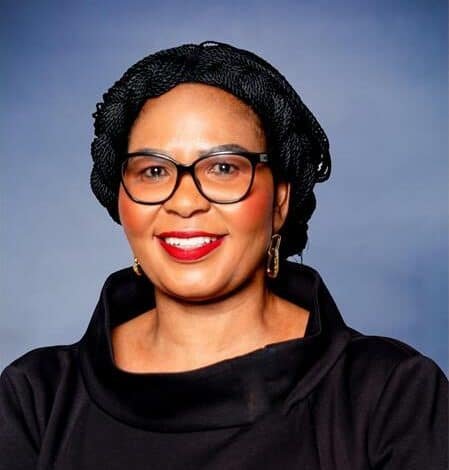
The newly appointed MEC for Social Development in Gauteng, Nomantu Nkomo-Ralehoko, highlighted that the objective is not to replace existing actors, but to strengthen the system as a whole. NPOs, community structures, and municipalities have played an important role for many years.
She said the scale and complexity of hunger now require a more structured state capability that can ensure consistency, transparency, and equitable reach across the province.
“At its core, this initiative is about restoring dignity through reliable access to nutritious food. It also reflects a broader commitment to move beyond short-term relief toward sustainable, system-based solutions.”
“The model introduces centralised procurement and distribution mechanisms designed to reduce duplication, improve cost efficiency, and ensure that resources reach intended beneficiaries timeously.
Importantly, this will be implemented within a clear governance and compliance framework aligned to the Public Finance Management Act and section 217 of the Constitution, ensuring that procurement processes remain fair, equitable, transparent, competitive, and cost-effective,” said Nkomo-Ralehoko.
To support this, the Department will implement strengthened oversight and accountability measures, including:• Clear institutional roles and reporting lines.• Transparent beneficiary targeting criteria.• Regular performance monitoring and public reporting.• Audit and risk management controls to safeguard public resources.
“These measures are essential to ensure that the intervention does not only succeed in intention, but also in execution,” said Nkomo-Ralehoko.
The initiative is fully aligned with the National Development Plan 2030 and the Integrated Food Security Strategy, both of which emphasise the need for coordinated, state-supported approaches to eliminating hunger. It also supports the progressive realisation of the constitutional right to food, as required of the state.
Nkomo-Ralehoko added that beyond immediate food access, the model creates an opportunity to stimulate local economic activity.
“By incorporating local sourcing strategies, the Department aims to support small-scale producers, cooperatives, and emerging farmers, while maintaining strict compliance with supply chain management prescripts.
“This approach enables the province to address food insecurity while simultaneously advancing inclusive economic development,” said Nkomo-Ralehoko.
The role of non-profit organisations remains critical within this framework. Rather than being displaced, NPOs will be integrated into a more structured ecosystem, where partnerships are clearly defined, supported, and monitored to maximise impact. This ensures that community-based knowledge and reach continue to inform delivery, while benefiting from improved coordination and resource alignment.
As with any reform of this scale, legitimate questions may arise regarding implementation capacity and centralisation risks. These concerns are recognised.
The success of this model will depend on disciplined execution, continuous monitoring, and the ability to adapt where necessary.
The Department is committed to a phased and responsive implementation approach, supported by data and stakeholder engagement.
Nkomo-Ralehoko added that ultimately, this intervention reflects a government that is prepared to confront systemic challenges with systemic solutions. It represents a shift from fragmented interventions toward a unified strategy grounded in evidence, constitutional obligations, and the lived realities of our communities.
“In a province marked by deep inequality, ensuring access to food is both a moral imperative and a legal duty. The establishment of a state-led Food Distribution Centre is a step toward fulfilling that responsibility in a more coordinated, accountable, and sustainable manner,” said Nkomo-Ralehoko.
At Caxton, we employ humans to generate daily fresh news, not AI intervention. Happy reading!