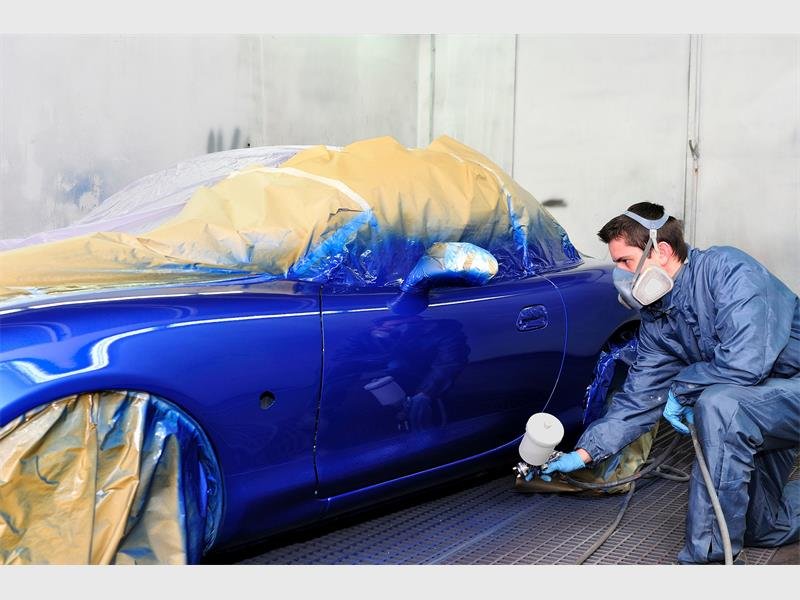
With social media ‘quick fixes’ flooding timelines and DIY car-care hacks gaining traction, many motorists unknowingly put their vehicles at risk.To help set the record straight, the South African Motor Body Repairers’ Association (SAMBRA), a proud association of the Retail Motor Industry Organisation (RMI), asked two of its experts, Alewyn Muller, SAMBRA vice chairman for the Free State and Northern Cape, and Hendrik Griesel, SAMBRA chairman for the Eastern Cape, to unpack some of the most common myths they encounter in the industry.Muller said that most motorists are shocked to discover how sensitive modern automotive paints, plastics, and even safety systems have become.“A simple scratch or small bump can hide underlying issues you won’t see until the damage has spread,” said Muller.Griesel agreed by adding that what looks like an easy fix often ends up being a costly repair.“With today’s complex vehicle construction, even minor damage can compromise safety-critical components.”
ALSO READ: EMPD – Collect impounded cars
Myths your MBR wants you to stop believing• A tiny scratch or scuff is harmless.In reality, any break in the clear coat exposes the paintwork to UV and moisture. Rust begins beneath the surface and often goes unnoticed until it has already spread. “What could have been a quick touch-up easily becomes a full respray if ignored,” said Muller.• If the bumper looks intact and the car drives normally, there’s no damage.Modern bumpers conceal foam energy absorbers and crash sensors. Even a light impact can crush these components or throw sensors out of alignment. “This puts you at risk in your next accident, when you really need those systems to work,” explained Griesel.• Toothpaste or baking soda will polish out scratches.These household abrasives dull the paint and leave patches that require professional machine polishing – and sometimes repainting – to correct.• A plunger or suction cup will pull out dents.DIY dent removal often stretches the panel or pulls the paint off entirely. Proper paintless dent repair (PDR) requires specialist tools, controlled techniques, and extensive training.• Touch-up paint from a hardware store will match your car.In almost all cases, it won’t. Modern vehicles use water-based paints and complex multi-stage pearl finishes. Brush marks and mismatched colours draw more attention than the original chip.• Replacement parts arrive already painted.New parts are supplied in primer only. Colour matching and painting must be done in the workshop, and curing takes time. Even a standard bumper replacement may take a day or two depending on workload. Many of the plastic bumpers arrive at the MBR and are not fully primed yet.• Hairline cracks are not necessarily paint defects or poor workmanshipOften these cracks are pressure-point fractures that occur when the bumper is later pushed or squeezed. “If something presses against a flexible bumper, the paint can crack. This doesn’t automatically indicate bad workmanship,” said Griesel.
ALSO READ: Watch: Tow ‘trunk’ saves the day as safari vehicle gets stuck
What your MBR wants you to know – good advice for motoristsBeyond myths, SAMBRA repairers shared some essential care and maintenance reminders that help extend the life of your paintwork and improve safety:• Wash your car regularly – salt and road contaminants are extremely corrosive.• Clean bird droppings, tree sap and fallout within 48 hours – they are acidic and will etch permanently into the paint.• Repair stone chips early to avoid rust spreading beneath the surface.• Check your wheel alignment if you hit a pothole or kerb – alloy wheels crack easily and bent tie rods aren’t always visible.• Be cautious with repeated DIY cutting polishes – you can burn through the clear coat in just a few attempts.• Keep invoices from accredited SAMBRA repairers – documented repairs add value when selling your vehicle, while cash jobs with no paperwork often raise red flags.• When in doubt, ask a SAMBRA-accredited MBR. An inspection can quickly determine whether a repair is urgent or can safely wait.
Griesel concluded, “If something looks off, even slightly, get it checked. Cars today are engineered to very tight tolerances, and small issues can quickly escalate.”Muller added, “Your MBR is there to help you protect your vehicle, your investment and, most importantly, your safety. A quick conversation with a qualified repairer is always better than taking a chance on an untested shortcut.”
At Caxton, we employ humans to generate daily fresh news, not AI intervention. Happy reading!