Selecting the correct career is a crucial decision with far-reaching implications. It is a choice that will shape your future, underscoring the importance of making an informed decision.
Over the next few weeks, The African Reporter will engage with business people, professionals and other role players, focusing on a specific career every week.
By doing this, we aim to provide valuable guidance to our younger readers navigating their career choices. This week, we give a platform to the personal fashion stylist career.
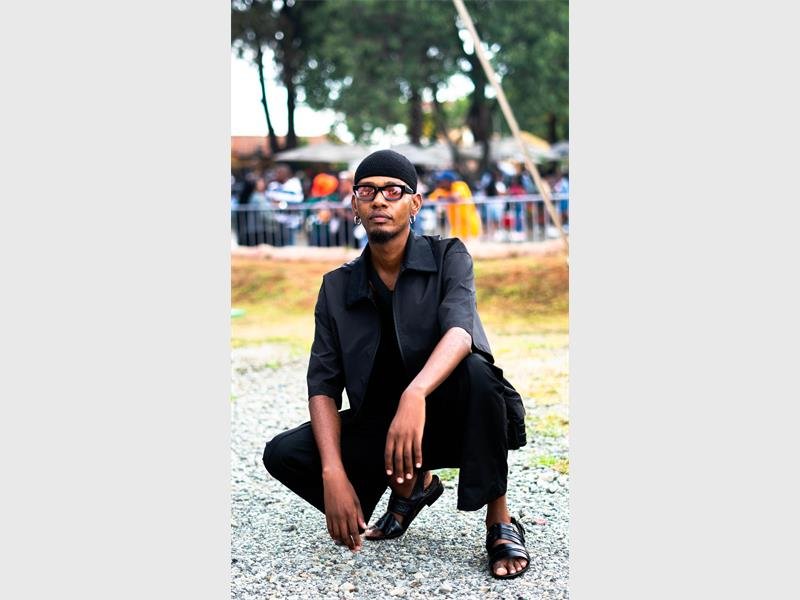
Nkululeko ‘Rankx’ Nzwanzwa, a part-time personal fashion stylist, has been in the game for over a decade. His interest in fashion started as a hobby when he frequently received compliments for his dress sense.
“I take my fashion sense as a lifestyle because I like to look good. I advise young people who wish to follow in my footsteps to first find their niche and do their best. The rest will follow,” he said.
Nkululeko Nzwanzwa is a part-time personal fashion stylist. Photo: Nkululeko Nzwanzwa
What is a personal fashion stylist?They are a professional who helps people dress in a way that reflects their personality, lifestyle, body type and goals. They advise clients on clothing, accessories and overall image, ensuring they feel confident and look appropriate for various occasions.
What does a personal fashion stylist do?They analyse clients’ style preferences, take measurements, understand body shapes, create outfit combinations, shop for or with clients, and plan wardrobes for events, work or daily life. They also coach clients on grooming, colour palettes and fashion trends.
What are their key roles and responsibilities?• Understanding the client’s lifestyle, goals and budget;• Assessing the client’s wardrobe;• Recommending outfits and accessories;• Shopping (in-store and online);• Creating lookbooks or outfit plans;• Staying current with fashion trends;• Co-ordinating outfits for special events (photoshoots, weddings, interviews and more);• Maintaining confidentiality and professionalism.
What qualifications does one need?Formal qualifications are not strictly required, but employers and clients value:• a fashion styling certificate or diploma;• fashion design or merchandising studies;• retail or fashion experience;• Knowledge of textiles, body shapes, colour theory and fashion trends.
ALSO CHECK: Meet Bhizmee Maguzoll: The eSwatini artist bringing fresh energy to amapiano and kwaito
Where can I study to become a personal stylist?• Fashion schools and academies;• Online styling courses (Udemy, Masterclass, Coursera);• Local colleges offering fashion and textile programmes;• Private institutions offering certificates in image consultancy or wardrobe styling.
What soft and hard skills are required?Soft skills:• Communication and listening;• Confidence-building and empathy;• Ability to understand personality and lifestyle;• Sales and persuasion skills;• Networking and customer service.
Hard skills:• Colour co-ordination and fabric knowledge;• Wardrobe curation;• Digital fashion tools (Pinterest boards, virtual styling apps);• Trend analysis and fashion history;• Budget planning and personal shopping.
What are the pros and cons of the job?Advantages:• Flexible and creative career;• Ability to work independently or freelance;• Opportunity to work with diverse clients;• Strong potential for personal branding and growth;• Can lead to media, celebrity or brand partnerships.
ALSO CHECK: Kwa-Thema therapists champion disability awareness, inclusive support for children
Disadvantages:• Income can be inconsistent, especially at the start;• Physically demanding (shopping, fittings, travel);• Requires constant trend awareness;• Clients can be demanding or frequently change opinions;• Competitive industry.
What interests align well with this path?People who enjoy fashion, shopping, art, marketing, grooming, trend analysis and working one-on-one with others tend to succeed. An interest in psychology and personal branding helps.
Where do personal stylists find employment?• Fashion boutiques and retail stores;• Image consulting companies;• Celebrity and talent agencies;• Media and entertainment studios;• Corporate styling services;• Freelancing (working with private clients);• Fashion magazines and editorial teams;• Can own a store and a brand.
Do I need a portfolio to become a stylist?Yes. A portfolio shows your style vision and often matters more than formal qualifications. It can include:
• Before/after client photos;• Lookbooks or outfit plans;• Fashion mood boards;• Photographs from styled shoots.
Can I work remotely as a personal fashion stylist?Absolutely. Stylists can offer online services, such as wardrobe consultations, digital shopping lists, virtual fittings or curated outfit sets. Video calls, virtual closets and shared mood boards allow remote styling, especially for international clients.
How do I build a client base as a new stylist?• Start with friends or family to gain testimonials;• Create a strong Instagram/TikTok presence;• Offer mini styling sessions or discounts;• Collaborate with photographers, designers, salons or boutiques;• Attend fashion networking events;• Build a referral system or loyalty packages.
What careers can personal styling lead to?• Editorial or runway styling;• Celebrity styling;• Wardrobe consulting for public figures;• Fashion buying and merchandising;• TV/film wardrobe departments;• Fashion brand ambassador roles;• Personal branding or image coaching
At Caxton, we employ humans to generate daily fresh news, not AI intervention. Happy reading!