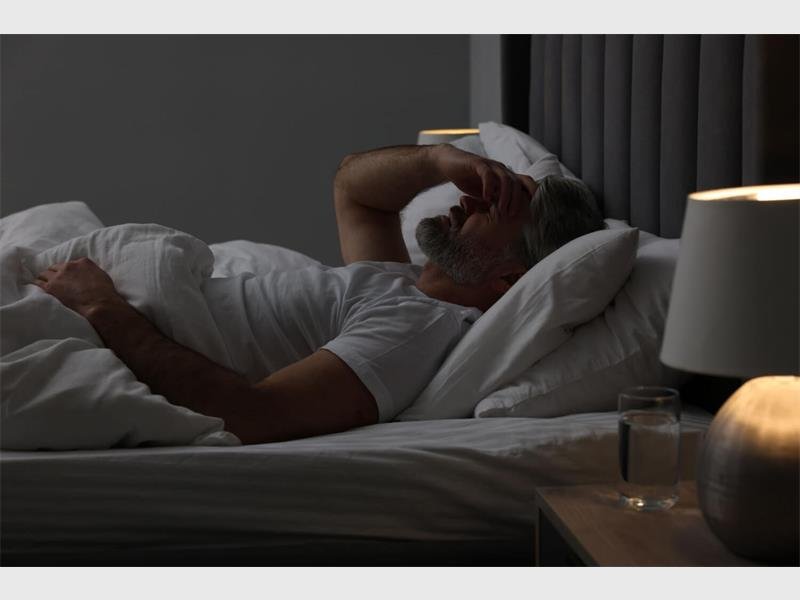
Nicotine use may be quietly disrupting sleep for many South Africans, with Affinity Health warning that the stimulant can significantly affect both the quality and duration of rest.
Nicotine is commonly found in cigarettes, cigars, hubbly-bubbly and e-cigarettes, which stimulates the brain and nervous system, making it difficult for the body to wind down at night.
“Nicotine increases heart rate, raises blood pressure, and activates the central nervous system. While this may feel helpful during the day, it makes it harder for the body to slow down at night,” the organisation said.
This stimulation can interfere with the body’s natural sleep cycle, known as the circadian rhythm, delaying sleep and reducing its depth.
People who use nicotine often report:
Difficulty falling asleep.
Waking up often during the night.
Shorter total sleep time.
Feeling tired in the morning.
“Studies show that nicotine can reduce slow-wave sleep and REM sleep. When they are shortened or interrupted, sleep becomes lighter and less refreshing, even if someone spends enough time in bed,” Affinity Health explained.
The problem is worsened by nicotine withdrawal during the night. Because nicotine levels drop after a few hours, regular users may experience restlessness, vivid dreams, and early waking, often accompanied by strong cravings in the morning.
In addition, smoking has been linked to a higher risk of obstructive sleep apnoea, while vaping can also irritate the airways and disrupt sleep patterns.
ALSO CHECK: SANBS marks 25 years of lifesaving impact across South Africa
Poor sleep caused by nicotine use can have wider effects, including mood changes, reduced productivity and increased risk of accidents.
Experts also highlight the link between sleep and mental health, noting that ongoing sleep disruption can worsen stress, anxiety and depression.
“While nicotine may briefly create a sense of calm due to dopamine release, that effect is temporary; nicotine dependence can raise baseline stress levels, especially during withdrawal,” the organisation said.
However, there is good news for those looking to quit. Although sleep may temporarily worsen in the first few days, many people report significant improvements within weeks.
“Within a few weeks, many former smokers report falling asleep faster, fewer night-time awakenings, deeper sleep and better daytime energy,” they noted.
In the meantime, Affinity Health advises avoiding nicotine before bedtime, maintaining a consistent sleep schedule and creating a calm sleeping environment to support better rest.
ALSO CHECK: 12 arrested as EMPD Tsakane intensifies crime crackdown and bylaw enforcement
At Caxton, we employ humans to generate daily fresh news, not AI intervention. Happy reading!