Chronic stress, poor posture, reduced mobility, and balance-related falls are increasingly common health concerns and can be attributed to modern-day living.
Seeking sustainable, low-impact approaches to improving well-being, many are turning to the art of Tai Chi.
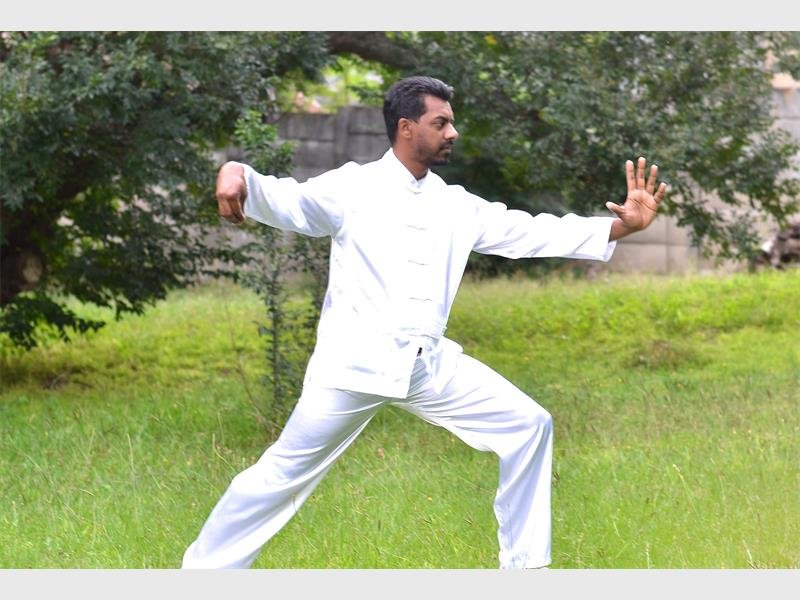
“Tai Chi (Tai Chi Chuan) is a traditional Chinese form of martial art characterised by slow, controlled movements, coordinated with diaphragmatic breathing and mindful attention,” said Sifu Nayashen Naidoo, a local Tai Chi instructor with over 20 years of dedicated practice and teaching experience, as well as one of the founders of Tai Chi South Africa.
“Originally developed as a martial system, it is now widely practised globally for its health benefits.”
The low impact movements, performed in a continuous flowing sequence, emphasise postural alignment, joint stability, controlled weight transfer, muscular relaxation without collapse and coordinated breathing.
“Because it is gentle on the joints and adaptable to different fitness levels, Tai Chi is well-suited for the elderly, those recovering from stress-related conditions and individuals seeking sustainable long-term exercise routines,” said Naidoo.
“Research has found supporting evidence that practising Tai Chi regularly has measurable health benefits, whether you are a professional managing the demands of life or a retiree focused on maintaining mobility and independence.”
His teaching approach integrates traditional Tai Chi principles with a clear understanding of posture, biomechanics and nervous system regulation, making the practice both accessible and clinically relevant.
What is Tai Chi?
Stress and nervous system regulationTai Chi’s slow, rhythmic movements activate the parasympathetic nervous system, helping to reduce chronic stress responses.
Practitioners of this ancient art form frequently report improved sleep quality, reduced anxiety levels and enhanced emotional resilience.
Balance and fall preventionThe practise improves body awareness, lower-limb strength and coordinated weight shifting, thus lessening the risk of falling, among older participants.
Joint health and postural improvementThe emphasis on alignment and relaxed movement reduces unnecessary muscular tension and joint compression, supporting long-term musculoskeletal health.
Functional strength and enduranceUnlike high-intensity training, Tai Chi develops controlled strength and endurance without overloading the cardiovascular or musculoskeletal systems.
Overall Well-beingImproved breathing efficiency and circulation contribute to enhanced energy levels and general physiological function.
“As healthcare increasingly emphasises prevention rather than intervention, Tai Chi offers a practical model of proactive self-care,” said Naidoo.
“It requires no specialised equipment, can be adapted to different physical abilities and supports both physical and psychological health.”
Offering classes on Polo Drive, Bapsfontein, Naidoo said classes are open to beginners as well as experienced practitioners.
For further information, contact Naidoo on 079 506 3830 or email info@kungfujoburg.co.za
Local Tia Chi instructor, Sifu Nayashen Naidoo.
At Caxton, we employ humans to generate daily fresh news, not AI intervention. Happy reading!