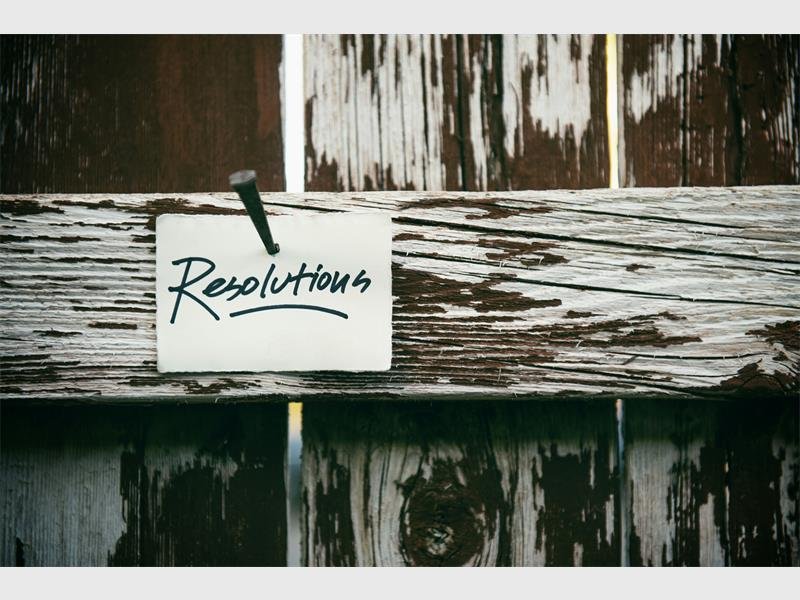
“New year, new me,” is a phrase we love to say at the beginning of each year. The idea that one can become a renewed and better version of themselves is what makes stepping into a new year a refreshing experience that gives one hopes of a better life in general.
However, that hope is crushed when the goals you have set in January, are already a flop in February – that hobby you promised you’d start taking seriously, that gym membership you said you’d renew, the procrastination you swore would be a habit of the past.
Six months down the line, one may feel discouraged that the goals they felt so optimistic about have not been attained. Therefore it is important that you not only set goals, but you set them right.
Author of Atomic Habits, James Clear said, “Goals are good for setting a direction, but systems are best for making progress,” which suggests that goals are good for setting a direction, but systems are best for making progress. A goal can tell you where you want to go, but only a consistent system of habits will actually carry you there.
One reader, Xoliswa Kali explains she learned from the book how small, consistent changes can lead to remarkable long-term results.
“Most people want to make big chances, but big outcomes come from tiny habits. James mentions how improving by just 1% each day leads to significant improvement over months and years. Also, instead of focusing on what you want to achieve, focus on who you want to become,” she said.
Relebohile Motsoeneng adds that the most memorable lesson she learned from the book is that when developing a habit, it’s important that you don’t rush to do everything all at once but rather take small steps everyday.
“For instance, if you have decided that you want to start reading a book, it’s unrealistic to think that you will finish the book in one go. So instead, you have to make sure that you read at least 10 pages a day so you don’t lose momentum,” she said.
Here are five tips on setting attainable New Year resolutions inspired by the Atomic Habits:• Focus on systems, not just goals – Instead of only aiming for a specific outcome, create a routine or system that makes progress easy to achieve. For example, rather than saying “I will exercise more,” commit to a habit like “I will walk 20 minutes every morning.”
• Start small and be consistent – Tiny, manageable actions are easier to maintain over time. A small step each day, like doing one push-up or writing one paragraph, can build momentum toward bigger achievements.
• Stack new habits onto existing ones – Use an existing routine as a trigger for a new habit. For instance, “After I brush my teeth in the morning, I will meditate for two minutes.” This makes new habits easier to remember and follow.
• Make habits attractive and easy – Design your environment so good habits are visible and convenient while bad habits are harder to do. For example, if you struggle with doom scrolling for hours in the morning, rather use an alarm clock and make sure your cellphone is off for the first two hours of your morning, that way, you can accomplish other tasks while slowly managing your phone addiction.
• Focus on identity, not just results – Think about the type of person you want to become, not just the goal you want to reach. Instead of “I want to run a marathon,” reframe it as “I am a runner” and let your habits reinforce that identity daily.
At Caxton, we employ humans to generate daily fresh news, not AI intervention. Happy reading!