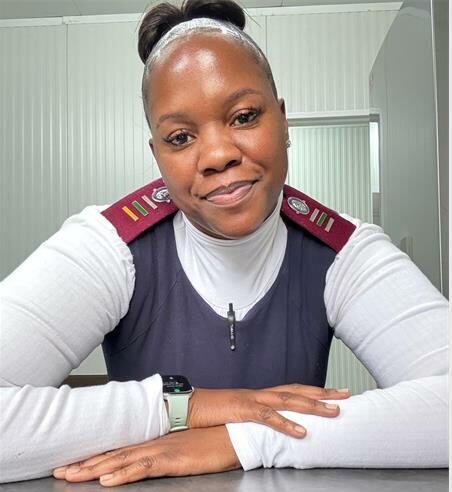
Duduza- Nurse Nhlanhla Mofokeng has urged parents and caregivers to take scalp ringworm seriously, saying early detection and proper care can prevent complications and the spread to other children.“Ringworm of the scalp, medically known as tinea capitis, is a common fungal infection that mostly affects young children, especially those of school-going age,” she said.According to Mofokeng, worms do not cause ringworm because it is a fungal infection that thrives in warm, moist environments.“Children can get ringworm through direct contact with an infected person, sharing personal items such as combs, brushes, hats, pillows, or towels, or contact with infected animals, especially pets like cats and dogs.“Poor hygiene or overcrowded living conditions, and sweaty scalps that are not washed and dried properly are also common causes,” she explained.
ALSO READ: Kwa-Thema therapists champion disability awareness, inclusive support for children
Mofokeng advised parents to watch for round or patchy bald spots on the scalp, scaly, dry, crusty areas, itching or tenderness, redness or swelling, and, in severe cases, pus-filled sores and swollen lymph nodes.“If these symptoms are not treated, ringworm can worsen and may lead to permanent hair loss due to scarring,” warned Mofokeng.
Mofokeng listed the following as effects of untreated ringworm:• Spread to other children at home or school• Cause painful infections and inflammation• Can lead to low self-esteem in children due to visible hair loss• Results in secondary bacterial infections from excessive scratching.
ALSO READ: Child Protection Week 2025: Stand up for children, speak out for their rights
Mofokeng shared the following care tips:• Seek medical treatment early: Take the child to a clinic or healthcare facility for a proper diagnosis and antifungal medication.• Follow treatment instructions carefully: Complete the full course of treatment even if the scalp looks better.• Do not share personal items: Ensure the child has their own combs, towels, hats, and pillows.• Maintain good hygiene: Wash the child’s hair regularly using the prescribed treatment shampoo if advised by a nurse or doctor.• Keep the scalp clean and dry. Avoid heavy oils or products that trap moisture.• Wash bedding and clothing: Use warm water and dry items in the sun where possible.• Check other children and pets: Early screening helps prevent reinfection.Mofokeng also encouraged schools and crèches to report outbreaks early, so parents can respond quickly.Parents are reminded not to rely on home remedies alone and to always consult healthcare professionals for proper treatment.
At Caxton, we employ humans to generate daily fresh news, not AI intervention. Happy reading!