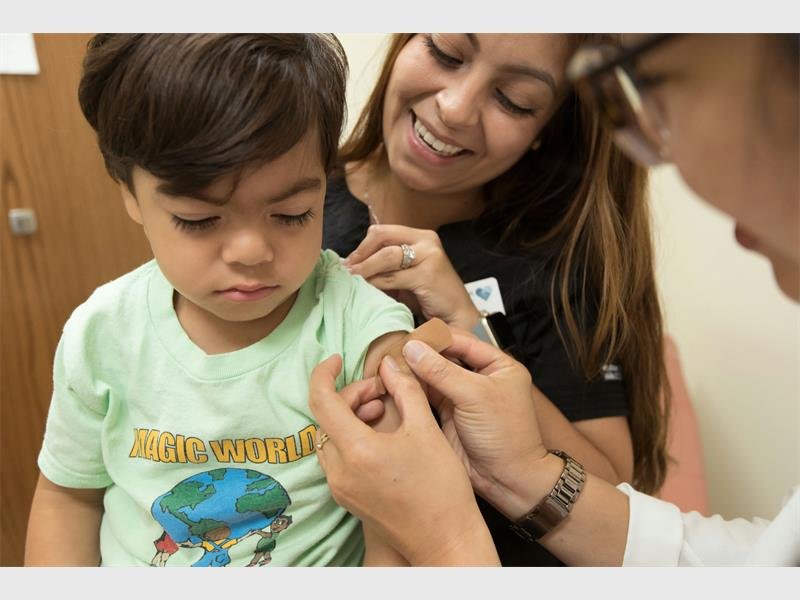
As the school year is underway, now is a good time to make sure your child’s immunisations are up to date.
Immunisation helps protect your child against serious illnesses such as whooping cough, diphtheria and tetanus.
These are not just old diseases from the past; they still exist in South Africa and may spread quickly, especially when children have missed doses or their protection has worn off.
When one child gets sick, the disease can easily spread to other children at school, in crèches and at home.
When your baby is small, the clinic gives them immunisations that teach their body how to fight dangerous diseases. But this protection does not last forever. Over time, immunity can decrease. That’s why children need booster doses at school age, not just when they are babies.
Children in South Africa receive immunisation against diseases such as whooping cough (pertussis), diphtheria and tetanus in a series of doses as they grow.
These work best when given on time, in line with the Expanded Programme on Immunisation (EPI) of the National Department of Health.
Parents can ask Primary Healthcare Clinics and healthcare providers for guidance on the specific ages at which immunisations should start (e.g., from 6 weeks after birth) and when they should be repeated (e.g., at 6 years of age).
Early immunisation doses help protect babies and young children when they are most at risk. As children grow older, their protection can weaken.
That is why repeat (booster) doses are needed at school age. If your child misses any of these, they may not be fully protected, even if they look healthy and well.
Some parents might think these illnesses are mild.
They can, unfortunately, be serious:• Diphtheria can form a thick layer in the throat that makes it hard to breathe or swallow. It can damage the heart and nerves and can spread from person to person.
• Tetanus enters the body through cuts or wounds. It causes painful muscle tightening, stiff jaws and trouble breathing, and can be fatal.
• Whooping cough causes long, painful coughing fits that can last for weeks. Babies and young children can struggle to breathe, vomit after coughing, or, in severe cases, stop breathing for short moments.
Take out your child’s Road-to-Health booklet or clinic card and look at the pages where the immunisations are written.
If you are not sure what the dates mean, the nurses at the clinic can help you understand them. If your child is behind, they can be given the missed doses.
If you have lost the card, do not panic. You can go to your nearest primary healthcare clinic to request a replacement. The clinic will help you rebuild your child’s record.
You do not need money or private doctors. Routine childhood immunisations are free at government clinics as part of the Expanded Programme on Immunisation. You can go to your nearest primary healthcare clinic for help.
Some schools also offer school immunisation days, especially for children who may have missed earlier doses. Sanofi South Africa’s medical manager, Shaakira Abrahams, said that checking your child’s immunisations is one of the easiest ways to protect their health.
“Routine immunisations help protect against serious illness. If the card is missing, you can get a replacement at your local clinic. Keeping immunisations up to date helps safeguard your child, their classmates and your community,” said Abrahams.
You do a lot to get your child ready for school; checking their immunisations is one more way to protect them.A visit to the clinic could help shield your child from serious illness and keep them healthy throughout the school year.
At Caxton, we employ humans to generate daily fresh news, not AI intervention. Happy reading!