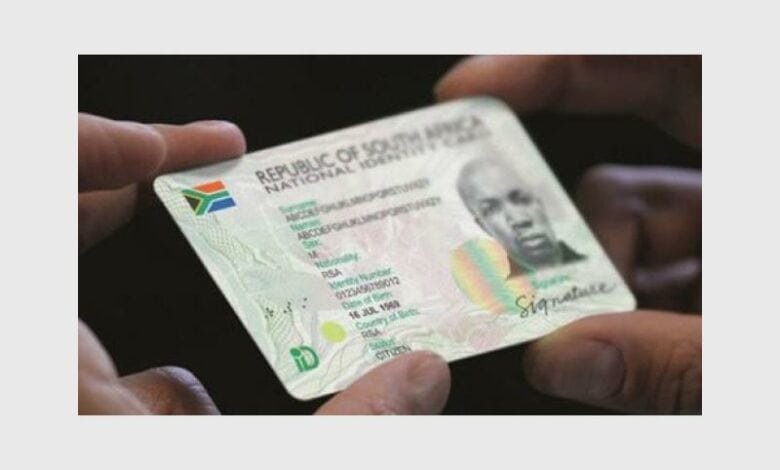
Home Affairs Minister Dr Leon Schreiber has assured Parliament that the department is intensifying efforts to improve service delivery, with plans to eliminate long queues through a new digital ID system and expanded partnerships with banks.
According to the South African Government News Agency (SAnews), the Department of Home Affairs is expected to launch the first group of bank branches offering Home Affairs services within the next few weeks under a digital partnership model.
Speaking during the State of the Nation Address debate in Parliament on Tuesday, February 17, Schreiber said the initiative would allow citizens to apply for a smart ID at participating bank branches, including those in rural and underserved areas.
“This will mark the beginning of the end of long queues at home affairs,” he said.
The minister added that the department’s broader digital reform programme is strengthening border security and immigration management. While the core biometric technology is already operational for the citizenship portal, the department is now developing a user-friendly front-end interface.
ALSO CHECK: Free reproductive health services rolled out across Ekurhuleni clinics
Schreiber said the digital ID will enable South Africans to access key documents via their mobile phones and verify their identities remotely using secure facial recognition technology.
He noted that secure physical documents, such as the smart ID card and passport, will remain important.
“As a result of our reforms to the online verification service and other upgrades to internal systems, turnaround times for smart ID and passport applications have been cut by 66.7%,” he said.
South Africa is expected to launch its first digital ID system this year as part of efforts to modernise government services, reduce identity fraud and improve accessibility.
SAnews reported that the department previously submitted its digital ID policy to Cabinet for approval to proceed with public hearings.
The system will introduce digital versions of essential documents, including IDs and passports, allowing citizens to access services online or via smart devices. It will also include an electronic travel authorisation system and an upgraded gov.za platform to streamline digital access to government services.
The digital ID initiative is expected to phase out the green bar-coded ID book, which has been vulnerable to fraud, and replace it with a more secure alternative.
At Caxton, we employ humans to generate daily fresh news, not AI intervention. Happy reading!