Choosing the right career is a crucial decision with far-reaching consequences. It shapes your future, making it essential to make an informed choice.
Over the next few weeks, The African Reporter will engage with businesspeople, professionals, and other key figures, focusing on a different career each week.
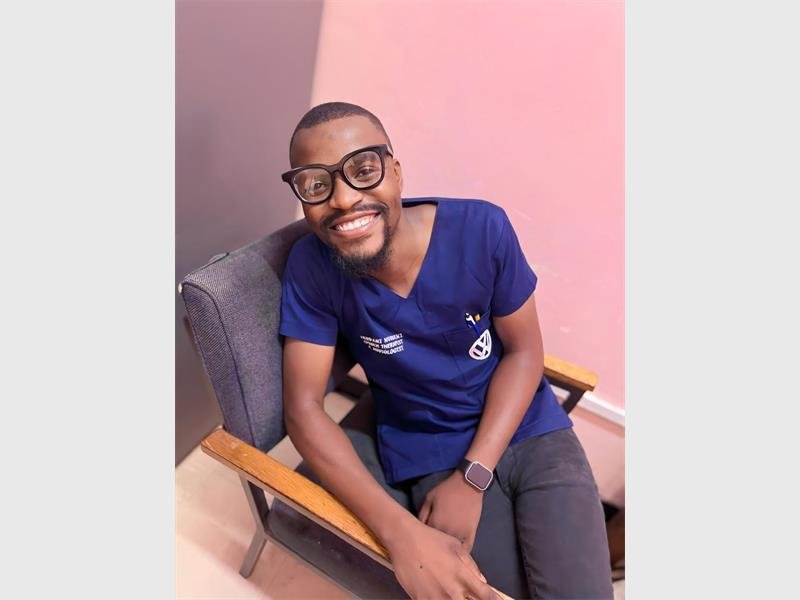
Our goal is to offer valuable guidance to younger readers navigating their career paths. This week, we explore the career of the audiology career. Tendani Ngobeni has been an audiologist for the last eight years.
“I always had an enthusiasm for the art of speech and hearing mechanisms during my high school days. Seeing patients experience sound for the first time after receiving a hearing device is a joyful and pleasurable experience for an audiologist.
“This is when you realise you have made a positive impact on the patient’s quality of life,” explained Ngobeni.
He said working as an audiologist has shaped his perspective on hearing and communication, emphasising the link between hearing health and the overall well-being of an individual.
“It has highlighted the significant impact hearing loss has on a person’s mental, emotional, and social well-being.
“This is where a holistic approach comes in, addressing hearing loss and communication impairment while involving a multidisciplinary team to tackle related issues caused by hearing loss and communication impairments,” he added.
What is audiology?Audiology is a profession that deals with managing hearing loss and ear-related balance disorders.
What does an audiologist do daily?An audiologist plays a significant rehabilitative role in medicine. Their daily responsibilities include doing hearing tests, diagnosing hearing impairments and providing rehabilitative services to those with hearing loss and ear-related balance disorders.
An audiologist also fits hearing aids and other listening devices for people with hearing impairments. The work of an audiologist does not end with providing rehabilitative services to the hearing impaired, but also includes consulting on issues related to noise-induced hearing loss and developing hearing conservation programmes. An audiologist can identify hearing loss in a newborn as early as one hour after birth and provide early intervention.
ALSO CHECK: Embrace the twists and turns of your learning journey: becoming a dental therapist
What hearing or balance problems do audiologists treat?The human ear is a remarkable organ that allows us to perceive sound and maintain balance. However, hearing impediments and balance-related disorders can prevent individuals from having functional hearing and balance in their everyday lives.
Therefore, an audiologist steps in to manage these hearing and balance disorders, such as sensorineural (inner ear) hearing loss, conductive (middle ear) hearing loss, dizziness and other balance issues.
What is the difference between an audiologist and an ear, nose and throat (ENT) specialist?The main difference lies in their scope of work, with each focusing on preserving healthy hearing and balance. Audiologists train for four years to complete a postgraduate degree in audiology, while an ENT specialist (a medical doctor) spends a minimum of 15 years in training.
Audiologists help individuals manage their hearing loss and balance problems, while ENTs provide highly specialised treatments, including prescriptions and surgery, for conditions affecting the ear, nose and throat.
What high school subjects are needed to study audiology at university?This audiology course requires you to have studied English, mathematics, physical sciences/life sciences, and three other subjects (excluding life orientation), all with a level 4 minimum entrance upon matriculation.
ALSO CHECK: Embrace the twists and turns of your learning journey: Becoming a development practitioner
Which SA universities offer audiology programmes?• Sefako Makgatho Health Sciences University;• University of Stellenbosch;• Wits University;• University of Pretoria;• UKZN, as well as Forthare University.
How many years does it take to complete an audiology course?It is a full-time study that takes four years to complete to become a fully qualified audiologist.
What does the training or practical experience involve during your studies?Your training encompasses the medical, scientific, social, and psychological aspects of hearing, speech and language. You will learn about the anatomy and physiology of hearing, normal communication development, early intervention and the assessment and management of clients with various hearing or balance problems.
Must audiologists register with any professional board in SA?It is a prerequisite to register with the Health Professional Council of South Africa for continued professional development.
Can audiologists open a practice, or do they mostly work in clinics and hospitals?Audiologists perform a year of public community service after completing the programme/study. Immediately after that, they acquire an independent practice certificate from a professional body/council, allowing them to practice on their own and start a business as private audiologists.
Audiology offers a range of career opportunities besides working only in clinics and hospitals. Other places of work include mining industries, special schools, military facilities, rehabilitation centres and colleges and universities.
ALSO CHECK: Embrace the twists and turns of your learning journey: becoming an advanced make-up artist
What personal traits or skills are beneficial in this profession?Being an audiologist requires diligence, perseverance and patience when working with the hearing-impaired population. One also needs a sense of inclusiveness when engaging with the deaf community and must respect their cultural identities, such as using sign language to communicate effectively.
Is audiology a growing career in SA or globally?Audiology is a pivotal pillar in global healthcare, dedicated to enhancing the quality of life through hearing and balance care. The demand for skilled audiologists has increased significantly both nationally and globally due to their growing recognition.
What are the most common tools/equipment used in audiology?They include an otoscope (shines a light beam to help examine the condition of the ear canal and eardrum), an audiometer ( measures hearing ability), a tympanometer (assesses middle ear function), an audioscreener (a portable screener for newborn hearing screening, and other highly specialised equipment such as auditory brainstem response machine used to test how the brain responds to auditory stimuli (sound).
Do audiologists mostly work with adults and senior citizens?Hearing loss can impact individuals of all ages. As an audiologist, one works with people experiencing hearing loss, from newborns to senior citizens.
What are some misconceptions about hearing loss and audiology?The sad truth is that hearing loss is more than just a sense of auditory deprivation; it is a decrease in one’s quality of life. Healthy hearing is often surrounded by misconceptions, such as people saying hearing loss caused by impacted earwax can be treated using earbuds. Meanwhile, others say hearing aids can restore your hearing.
Some people believe that a ringing sound in the ears signifies “dark forces” trying to communicate with you spiritually. It is vital to consult an audiologist if you experience any hearing problems. They will worsen into serious issues if left untreated.
What advice would you give someone considering a career in audiology?If you are passionate about making a positive impact on people’s quality of life, this is the career for you. You need to find technology fascinating because this career also requires technical. You must have a heart and be willing to help underprivileged people.
Audiologists face several challenges in their work. This job requires significant administrative duties, which can sometimes result in vital information being overlooked due to exhaustion. This discipline cannot operate without tools or equipment because it relies heavily on technology.
Machines not annually calibrated as scheduled can lead to incorrect diagnoses that negatively affect healthcare users, resulting in inaccurate or invalid interventions, such as fitting inappropriate hearing devices.
Are there opportunities to specialise in audiology?A postgraduate degree in audiology does not make someone a specialist in the field. It qualifies them as a master or doctor of philosophy in a specific area of study within the context of audiology.
What role does technology play in modern audiology practices?New advances in technology have enabled innovations in the field that revolutionise clinical principles and practices in assessments, hearing aid fittings, programming and rehabilitation processes.
At Caxton, we employ humans to generate daily fresh news, not AI intervention. Happy reading!
Stay in the know. Download the Caxton Local News Network App here.