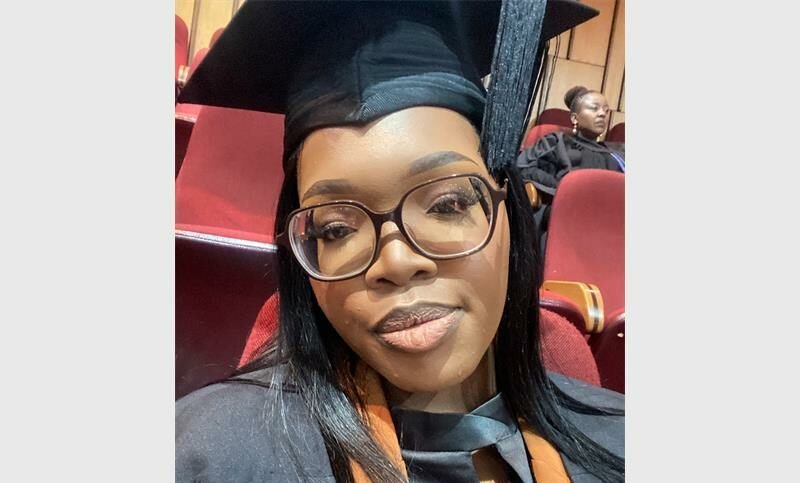
Choosing the right career is a crucial decision with far-reaching consequences. It shapes your future, making it essential to make an informed choice.
Over the next few weeks, The African Reporter will engage with businesspeople, professionals, and other key figures, focusing on a different career each week.
Our goal is to offer valuable guidance to younger readers navigating their career paths. This week, we explore the career of a development practitioner.
Lalla Sekabate is a development practitioner whose passion for development studies grew from witnessing her community’s struggles and seeking to understand why inequality persists.
“More importantly, I wanted to learn how to change it. I have always believed in the power of education, policy and grassroots solutions to transform lives, and this field allows me to be part of that mission,” she said.
Her advice to those who want to follow in her footsteps is simple: start where you are.
“Read widely, stay curious and never underestimate the power of small community efforts. Volunteer, ask questions and surround yourself with people who inspire growth. Most importantly, stay rooted in your purpose. Development work is challenging but incredibly rewarding.”
ALSO CHECK: Breaking the silence: Why South African Men Still Avoid the Doctor
What is a Bachelor of Arts (BA) in Development Studies?The degree is interdisciplinary, focusing on the social, economic, political and environmental challenges faced by developing countries. Students learn to critically analyse poverty, inequality and underdevelopment. They learn to design and evaluate solutions that promote sustainable development.
What does a development practitioner do?A development practitioner works directly with communities, governments, NGOs or international organisations to implement and manage projects that improve quality of life. Their role may include policy analysis, community outreach, project planning, monitoring and evaluation and advocacy.
What subjects should I take in high school to qualify for a degree in development studies?• History;• Geography;• Life Orientation;• English (as a home or first additional language);• Mathematics or mathematical literacy;• Subjects like economics, business studies and tourism can also be useful. Most universities require an NSC pass with a minimum of 50% to 60% in key subjects, especially English. Some institutions require an admission point score of 26 to 30, depending on the programme.
Which SA universities offer development studies?• University of Johannesburg;• University of South Africa;• University of the Western Cape;• University of KwaZulu-Natal;• Nelson Mandela University;• University of Fort Hare;• Stellenbosch University.
ALSO CHECK: Embrace the twists and turns of your learning journey: becoming a dental therapist
What is the difference between development studies and related fields like political science or sociology?While development studies overlap with fields like political science and sociology, it stands out for its interdisciplinary and problem-solving approach.
Political science focuses on governance, power dynamics, state structures and political systems, while sociology studies human behaviour, social relationships and institutions. Both fields are theory-heavy and often analytical.
Development studies, on the other hand, combine knowledge from those fields and others, such as economics, education, environmental science, and public health, to actively address poverty, inequality, unemployment and community underdevelopment.
Development studies focus on practical, sustainable solutions that empower communities. For example, while a political scientist might study policy, a development practitioner analyses how that policy affects a poor rural community and works with local stakeholders to implement real change. This field is deeply rooted in social justice, action and transformation, aiming not just to understand society but to improve it.
What skills are crucial for this field?• Critical thinking;• Research and analytical skills;• Communication (verbal and written);• Problem-solving;• Empathy and cultural sensitivity;• Teamwork and leadership;• Data interpretation and project planning.
What are some misconceptions about development studies?• That it is only about charity work or volunteering;• That it is not academic or rigorous (when it includes theory, research, and fieldwork);• That it leads to limited job opportunities (when it opens doors to NGOs, government, policy, and international work).
ALSO CHECK: Embrace the twists and turns of your learning journey: becoming an advanced make-up artist
What does your typical day look like?A typical day for a development practitioner varies by project but often includes planning, fieldwork, collaboration and problem-solving. The day might begin with reviewing project goals, responding to emails from partners or funders and preparing reports or proposals.
This is normally followed by direct community engagement – doing needs assessments, facilitating workshops or monitoring local initiatives. You might also spend time collecting and analysing data to guide future interventions or joining team meetings to align strategies.
For example, my day often begins with organising learning materials and preparing a safe, structured environment for the children we support.
By midday, I engage in hands-on activities such as tutoring, life skills coaching and providing emotional support to learners. I also liaise with parents, community stakeholders and potential sponsors to ensure the programme runs smoothly and sustainably.
Sometimes, I document the impact of our work to pursue funding or collaboration opportunities. This mix of administration, direct service and advocacy reflects the dynamic nature of development work. It’s both people-centred and purpose-driven – no two days are ever the same.
Are there opportunities to travel or work internationally with this qualification?Yes, development studies have global relevance. Graduates often work with international organisations such as the United Nations, Oxfam, the United Nations Children’s Fund or the World Bank, with opportunities to travel and collaborate across Africa, Asia and Latin America.
What kind of internships or volunteer opportunities should I look for while studying?• NGOs or NPOs involved in health, education or housing;• Local municipality or provincial development departments;• International development agencies or grassroots community projects;• Research internships at think tanks or universities.
Can I specialise in specific areas within development studies, such as gender or environmental issues?Absolutely. You can focus on areas such as:• gender and development;• environmental sustainability;• human rights;• urban development;• education;• economic development;• public policy.
What careers can I choose after completing the degree?• Development practitioner;• Policy analyst;• Researcher;• Project manager (NGOs, NPOs, government);• Community development officer;• Programme evaluator;• Journalist or communications officer in development.
Will I need a postgraduate qualification to find a good job?Not always, but holding an Honours or PGDip in development studies, public policy, or sustainable development improves job prospects and enables specialisation. For senior roles or academic careers, a Master’s degree is recommended.
How can development studies contribute to solving challenges in SA communities?Development studies equip professionals to design and implement inclusive, community-led solutions addressing poverty, unemployment, housing and educational disparities. By bridging theory and practice, the field helps drive systemic, sustainable change at both grassroots and policy levels.
Name some innovative projects that development studies professionals are working on.• Smart agriculture initiatives using tech to improve food security;• Youth employment accelerator programmes in townships;• Renewable energy projects in rural areas;• Women-led entrepreneurship development;• Land reform and housing delivery models;• Water and sanitation access projects.
At Caxton, we employ humans to generate daily fresh news, not AI intervention. Happy reading!
Stay in the know. Download the Caxton Local News Network App here.