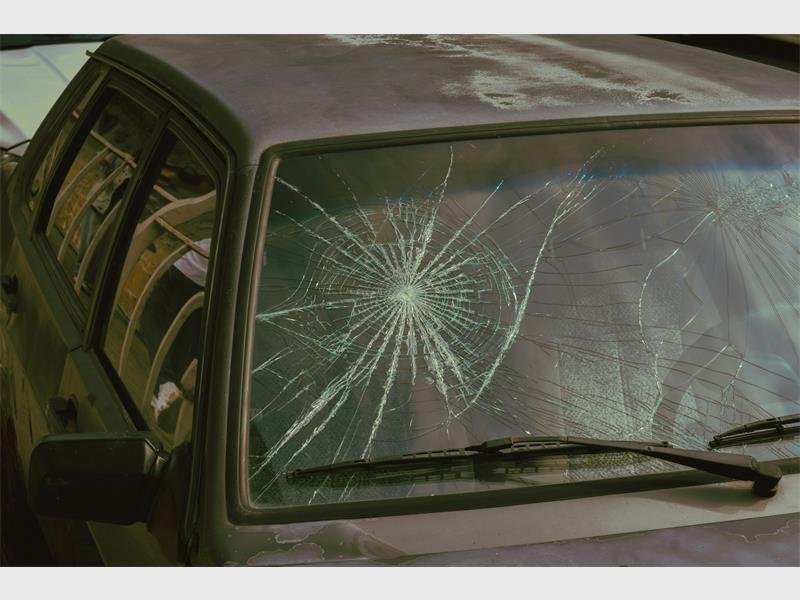
A windscreen is no longer just a pane of glass; it’s an essential structural component that plays a critical role in passenger safety.
This is the opinion of Johann van de Merwe, chairperson of the Tyre, Equipment, Parts Association (TEPA), an association of the Retail Motor Industry Organisation (RMI).
In fact, in a frontal collision, it provides up to 30% of the vehicle’s structural integrity. Without it, the cabin can collapse more easily.
Beyond providing visibility, a windscreen also ensures correct airbag deployment, protects occupants from ejection during an accident, and supports the roof during rollovers.
“Laminated glass, which came into use in the 1990s, was a turning point for windscreen quality because it doesn’t shatter upon impact. Instead, the inner layer holds the fragments in place, dramatically improving crash safety,” Van der Merwe says.
“Thankfully, the days of basic tempered glass are behind us. Today’s windscreens include Advanced Driver Assistance Systems (ADAS) that alert the driver to hazards, maintain lane position, adapt headlights and assist with emergency braking. The windscreen has become a vital platform for these lifesaving systems.
“With the influx of affordable imported vehicles, we can expect to see an increase in ADAS, augmented reality head-up displays (HUDs), biometric sensors and even electrochromic glass that adjusts tint automatically. Some manufacturers are also exploring windscreen-integrated solar panels.”
Even a small chip can weaken the structural integrity of a windscreen, Van der Merwe warns. It may seem cosmetic, but under pressure – such as when hitting a pothole or speed bump – that chip can suddenly spread and shatter the windscreen.
He adds that South African law prohibits driving with a windscreen that impairs visibility. You can be fined or even fail a roadworthiness test. Cracks larger than 150mm or within the driver’s line of sight would not pass this test.
TEPA provides the top eight windscreen tips:• Don’t blow hot air on a cold windscreen.• Avoid slamming doors with windows closed.• Fix chips early as they spread fast.• Park in the shade where possible.• Use gentle wipers and keep washer fluid topped up.• If a chip is smaller than a 10c coin and not in the driver’s line of sight, a repair may be possible. Cracks or damage near the windscreen’s edge almost always require full replacement.• Always use an accredited glass fitment centre where SABS-approved glass is used and where trained technicians are doing the work.• ADAS cameras rely on precise angles. When replacing a windscreen, the system must be recalibrated. If not, it can misread distances or lane markings, leading to an increased crash risk for drivers and possible liability claims for insurers.
Many people don’t realise that good-quality automotive glass manufacturers — whose products carry global standard markings (such as “E” for European Standards, “DOT” for the Department of Transport USA, and “CCC” for the Chinese standard) — are, in many cases, the same manufacturers that produce glass for original equipment manufacturers, just without the brand logos due to copyright.
A lot rides on the integrity of your windscreen. Incorrect fitment, poor-quality glass and a lack of calibration could render all the safety tech in your vehicle useless.
“So, the next time you see a small chip, remember your life may depend on how – and by whom – it is repaired. Take 30 seconds to do a quick windscreen inspection every time you fuel up. It’s more than worth it.”
At Caxton, we employ humans to generate daily fresh news, not AI intervention. Happy reading!
Stay in the know. Download the Caxton Local News Network App here.